

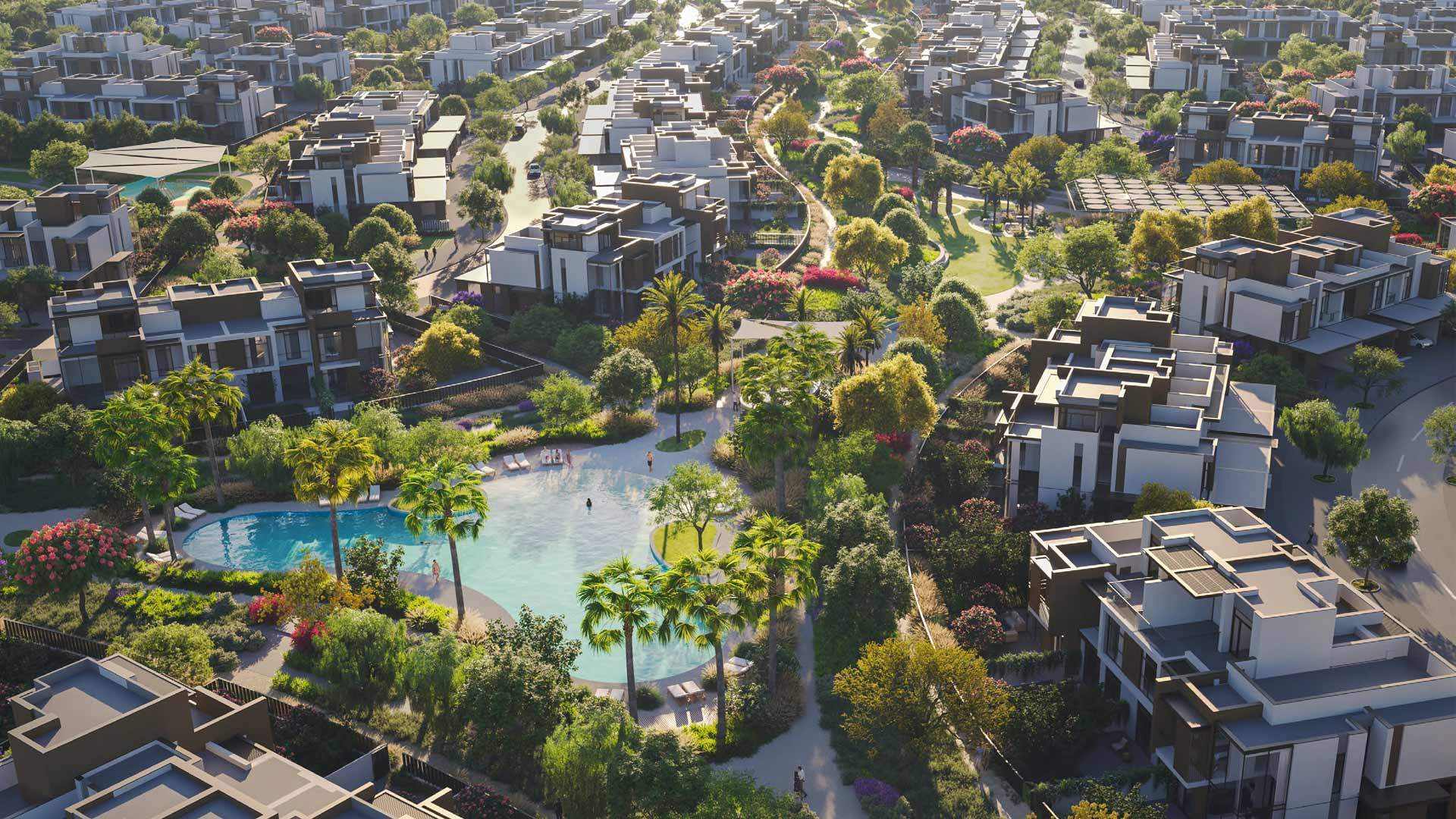
Dubailand investment opportunities are increasingly attracting buyers and investors who want long-term value in Dubai’s expanding property landscape. As Dubai continues to develop new master-planned districts outside the traditional prime areas, Dubailand has emerged as a major growth corridor shaped by community living, improving infrastructure, and diverse residential choices. For investors, the appeal is clear: Dubailand is not a single neighborhood, but a broad investment zone with multiple sub-communities, each offering distinct lifestyle positioning and demand profiles.
Understanding Dubailand as a Real Estate Investment Zone
Dubailand is one of Dubai’s most expansive development areas, designed to support large-scale residential living alongside leisure, retail, and community infrastructure. Over time, it has evolved into a practical housing destination for residents who want more space, modern communities, and lifestyle-driven neighborhood planning.
Dubailand investment opportunities exist across multiple community types, which is a key advantage. Some areas cater to family living with lower-density layouts and community amenities, while others focus on accessible apartment living with convenience-focused infrastructure. For investors, this means flexibility: you can choose a property type and community concept that aligns with your tenant or end-user demand expectations.
Why Dubailand Investment Opportunities Are Considered Strategic
Investors typically seek locations that can remain relevant for many years. Dubailand is often seen as strategic because it aligns with Dubai’s long-term expansion and residential planning. The district continues to develop, and as community ecosystems improve, long-term desirability tends to strengthen.
There are three fundamentals behind Dubailand’s growing investment relevance:
1) Development momentum: New residential projects and supporting infrastructure continue to expand the district’s ecosystem.
2) Practical livability: Dubailand is increasingly selected by residents who want planned community living rather than only city-center density.
3) Market diversity: Different unit types and community designs bring different buyer and tenant profiles, supporting broader demand.
This combination can create a more balanced market environment compared to locations driven by only one residential segment.
Location, Connectivity, and Everyday Accessibility
One of the most important drivers behind Dubailand investment opportunities is connectivity. Investors and residents value practical access to the wider city, and Dubailand benefits from established road networks that link it to key areas across Dubai.
Connectivity matters because it directly impacts rental demand and end-user decision-making. When residents can commute efficiently, access schools and healthcare facilities, and reach retail and lifestyle destinations without difficulty, community desirability increases. Over time, better accessibility typically supports higher occupancy consistency and stronger resale activity.
From an investment standpoint, this reduces risk because demand is supported by real-world practicality rather than only promotional narratives.
Residential Diversity and the Advantage of Multiple Property Formats
A major strength of Dubailand investment opportunities is the range of residential formats available. Investors can typically consider:
- Apartments for professionals, smaller households, and long-term tenants who prioritize convenience
- Townhouses for families seeking space, privacy, and community amenities
- Villas for residents who prioritize larger layouts and a more private lifestyle environment
This diversity supports demand across different life stages and income profiles. A location that serves more than one buyer segment often remains active across market cycles. If one segment slows, another may continue performing, which helps protect long-term investment stability.
Community Infrastructure, Lifestyle Planning, and Long-Term Value
Modern real estate investment decisions are influenced by community quality as much as unit design. Dubailand communities are increasingly built around lifestyle planning, which can include landscaped spaces, retail convenience, recreational facilities, and essential services such as education and healthcare access.
Lifestyle infrastructure supports long-term value because it attracts end-users who stay longer and treat the area as a primary residence, not a temporary location. From an investor’s perspective, communities that support stable residents often see more consistent occupancy patterns and less frequent tenant turnover, which can strengthen long-term performance.
This is one of the reasons Dubailand investment opportunities remain relevant for investors targeting sustainable demand rather than short-term movement.
End-User Demand and Market Sustainability
A professional investor looks for demand that is durable. Dubailand is increasingly supported by end-user demand—families and professionals choosing the area for lifestyle and livability. End-user demand is often a strong signal because it supports occupancy and future resale activity even when speculative activity reduces in the wider market.
In addition, a growing residential base typically attracts more retail, services, and convenience infrastructure. This reinforces the district’s desirability over time, supporting the long-term sustainability of investment.
How to Evaluate Dubailand Investment Opportunities Professionally
To approach Dubailand investment opportunities with a professional lens, investors should focus on the details that actually influence performance.
Start by evaluating the specific sub-community, not only the broader Dubailand label. Each area can differ based on maturity, accessibility, amenities, and resident demand.
Next, review the developer track record, including delivery credibility, build quality reputation, and community management standards. Developer reliability is a core factor for long-term confidence.
Then, match the property to its likely demand. Apartments can perform best in convenience-focused areas, while townhouses and villas may perform better in family-centered communities. Strong investment decisions usually come from aligning the right property type with the right resident profile.
Frequently Asked Questions (FAQ)
1) What makes Dubailand investment opportunities attractive for long-term investors?
Dubailand offers large-scale community development, improving infrastructure, and diverse residential options. These fundamentals support long-term demand and continued district maturity.
2) Is Dubailand suitable for end-users as well as investors?
Yes. Dubailand increasingly attracts end-users, especially families and professionals seeking planned communities, modern living standards, and practical connectivity across Dubai.
3) What property types are common in Dubailand?
Dubailand includes apartments, townhouses, and villas across multiple sub-communities. The right choice depends on your target tenant profile and long-term investment strategy.
4) How do I choose the right community within Dubailand?
Focus on micro-location factors such as accessibility, community amenities, nearby schools and healthcare access, and the maturity level of the neighborhood. Sub-community selection is critical.
5) Why is developer reputation important in Dubailand investments?
Developer track record influences build quality, delivery reliability, and community management standards. Strong developers generally support better long-term market confidence and demand.
Conclusion
Dubailand investment opportunities represent a professional, long-term approach to Dubai real estate. The district’s expanding community infrastructure, improving connectivity, and residential diversity position it as one of Dubai’s most relevant growth corridors. For investors who prefer stable fundamentals—livability, end-user demand, and long-term community development—Dubailand offers a broad set of options to build a structured property strategy.